Congress general secretary in-charge of communications, Jairam Ramesh, criticised the Centre on Monday after the Central Bureau of Investigation (CBI) allegedly failed to send a legal representative to the inaugural hearing before a Special Fast Track Court set up to hear the NEET-UG 2026 paper leak case. He said the incident exposed the government’s lack of seriousness in tackling examination-related irregularities.
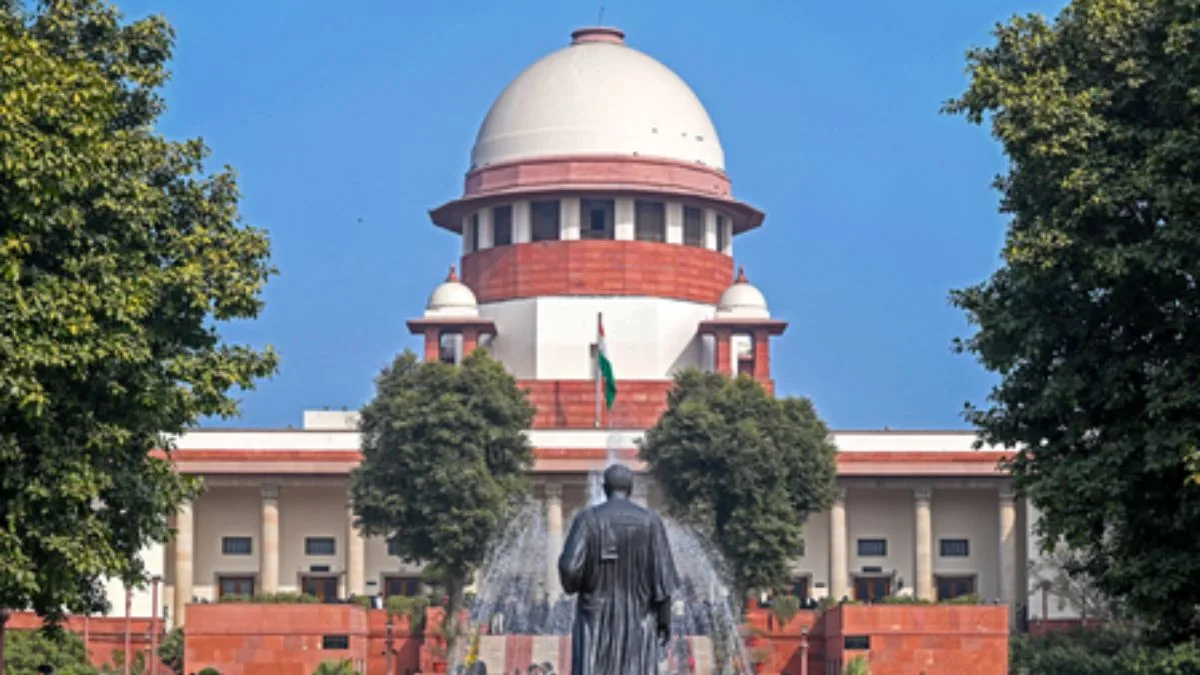
In a post on social media platform X, Ramesh said the Delhi High Court constituted a Special Fast Track Court at Delhi’s Rouse Avenue court complex on July 23 to hear the high-profile NEET-UG 2026 paper leak case. “On 23rd July, the Delhi High Court set up a Special Fast Track Court in Delhi’s Rouse Avenue complex to hear the NEET-UG 2026 Paper leak case,” he said.
Advertisement
Claiming that the CBI failed to appear at the court’s inaugural hearing, the Congress leader alleged that the investigating agency’s absent legal representative caused the matter to be adjourned immediately. “Tellingly, the Central Bureau of Investigation (CBI) failed to dispatch a legal representative to the inaugural hearing of this fast track court. It forced an immediate adjournment of the case,” Ramesh said.
Questioning the Centre’s emphasis on fast-track courts as a remedy for examination paper leaks, he alleged that the government’s own investigative agency was not demonstrating urgency in pursuing such cases. “With what face is the Modi Government tom-toming fast-track courts as a solution to the crisis of paper-leaks? Its own CBI is showing zero initiative in investigating and prosecuting these cases,” he added.
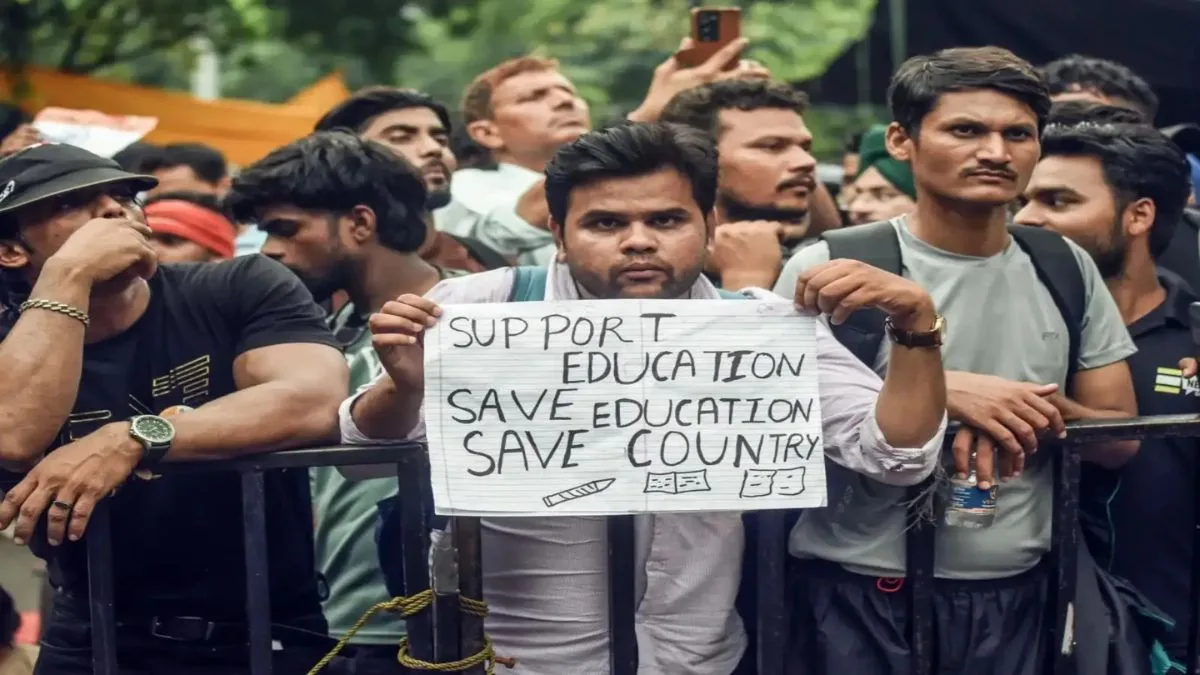
The NEET-UG 2026 paper leak controversy has emerged as a major political issue, triggering widespread protests by students and sustained attacks from Opposition parties during the ongoing Monsoon Session of Parliament. The Opposition has accused the Centre of failing to safeguard the integrity of public examinations and has repeatedly demanded accountability, while the government has announced a series of measures, including legislative amendments, time-bound investigations and the establishment of Special Fast Track Courts to ensure the swift prosecution of examination-related offences. The Centre has maintained that it is committed to strengthening the legal framework to curb paper leaks and restore public confidence in the examination system.